Mpox: A Global Health Emergency – Understanding the Crisis and Prevention Measures

Mpox, formerly known as monkeypox, has become a significant global health concern in recent years. The World Health Organization (WHO) first declared Mpox a Public Health Emergency of International Concern (PHEIC) in July 2022 due to the rapid spread of the virus across multiple countries. In 2024, WHO reaffirmed its emergency status, marking the second time Mpox has been declared a global health emergency. This article explores the details of this declaration, the impact of Mpox, and the essential prevention measures to control its spread.
What is Mpox?
Mpox is a viral zoonotic disease caused by the monkeypox virus, which belongs to the Orthopoxvirus genus, the same family as the smallpox virus. Although similar to smallpox, Mpox is generally less severe but can still lead to serious illness and, in rare cases, death.
The virus was first identified in 1958 in laboratory monkeys, which is how it got its name. However, the primary reservoir for the virus is believed to be small mammals such as rodents. Human cases of Mpox were first reported in the Democratic Republic of Congo in the 1970s, and the disease remained largely confined to Central and West Africa until recent years.
Symptoms of Mpox
Mpox symptoms typically appear 5 to 21 days after exposure and include:
- Fever
- Intense headache
- Muscle aches
- Back pain
- Swollen lymph nodes
- Chills and exhaustion
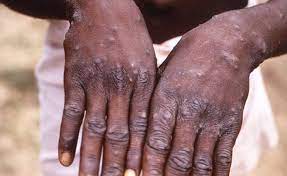
- A distinctive rash, often starting on the face and spreading to other parts of the body, including the palms of the hands and soles of the feet.
The rash progresses through several stages, from macules (flat lesions) to papules (raised lesions), vesicles (fluid-filled blisters), and pustules, before eventually crusting over and falling off. The illness usually lasts 2 to 4 weeks.
Global Spread and WHO’s Emergency Declarations
2022 Emergency Declaration
The 2022 PHEIC declaration was prompted by an alarming rise in Mpox cases across countries outside the African continent, where the virus had been endemic. The outbreak primarily affected Europe and North America, with cases reported among individuals with no history of travel to endemic regions. Transmission occurred mainly through close contact, including skin-to-skin contact, respiratory droplets, and contaminated materials like bedding and clothing.
The spread among men who have sex with men (MSM) was notable, prompting targeted public health campaigns. The global response included increased surveillance, contact tracing, public awareness, and the deployment of smallpox vaccines, which provide cross-protection against Mpox.
2024 Global Health Emergency
Despite global efforts to contain the virus, Mpox continued to circulate, leading WHO to declare a global health emergency again in 2024. This renewed declaration underscores the ongoing threat posed by Mpox and highlights the need for sustained international cooperation, resource mobilization, and public health interventions. The virus’s ability to cross borders and affect various populations demonstrates the importance of vigilance in monitoring and controlling infectious diseases.
Prevention of Mpox
Preventing Mpox requires a combination of public health strategies, personal precautions, and community awareness. The following are key prevention measures:
- Vaccination
- Smallpox Vaccines: WHO recommends the use of smallpox vaccines for individuals at high risk of Mpox exposure. Vaccines such as the MVA-BN (also known as Imvamune, Imvanex, or Jynneos) have shown effectiveness in preventing Mpox. Vaccination campaigns should prioritize healthcare workers, laboratory personnel, and populations with higher transmission risks.
- Post-Exposure Vaccination: Individuals who have been exposed to the virus can benefit from vaccination within four days of exposure to prevent disease onset or reduce severity.
- Avoiding Contact with Infected Individuals
- Direct contact with the skin lesions, body fluids, or respiratory droplets of an infected person should be avoided. Close contact, such as kissing, hugging, or sharing items like bedding and clothing, increases the risk of transmission.
- Public Health Education and Awareness
- Public health agencies must provide clear and accurate information about Mpox, including transmission methods, symptoms, and prevention. Special attention should be given to high-risk groups and communities where outbreaks are more likely to occur.
- Isolation of Infected Individuals
- Infected individuals should be isolated to prevent further spread of the virus. Isolation should continue until all lesions have crusted over, fallen off, and new skin has formed underneath.
- Safe Handling of Animals
- In regions where Mpox is endemic, avoiding contact with wild animals, particularly rodents and primates, is crucial. Proper handling and cooking of meat from wild animals can reduce the risk of zoonotic transmission.
- Personal Hygiene and Environmental Cleaning
- Regular handwashing with soap and water or using an alcohol-based hand sanitizer can help prevent transmission. Disinfecting contaminated surfaces and laundry used by an infected person is also important.
The Path Forward
The recurrence of Mpox as a global health emergency highlights the importance of a coordinated international response. Continued research, enhanced surveillance, equitable vaccine distribution, and strong public health infrastructure are essential in managing and eventually eradicating Mpox. As the world grapples with the resurgence of infectious diseases, lessons from Mpox will be crucial in shaping future public health policies and responses to global health threats.
Mpox’s re-emergence as a global health emergency is a reminder of the dynamic nature of infectious diseases and the need for vigilance, preparedness, and solidarity. By adhering to prevention measures, educating communities, and strengthening health systems, the spread of Mpox can be contained, protecting public health worldwide.