NUTRIENT HELPS TO PREVENT CANCER
Dr Sujatha Stephen

Cancer is a vital barrier to increase the life expectancy and the foremost cause of death globally. The initial diagnosis and proper management of cancer can expand the survival rate of individuals. Malnutrition is a substantial problem in cancer patients linked with improper treatment and increased morbidity. Nutrient-gene interactions not only provides pathophysiologic mechanisms of cancer causation and prevention, but also improves the ability to conduct cancer surveillance, crucial in identifying at-risk populations.
A dramatic increase in cancer rates, the relation between microbes and the consumption of certain food types which can further reduce the cancer risk. The incorporation of specific nutrients and probiotics improved the gut microbial health, increased life expectancy, and also decreased the incidence of tumorigenesis in individuals been observed due to intake of alcohol, microbial infections, and deficiency of nutrition.
Cancer protection mainly derives from a systemic metabolic environment that promotes healthy cell replication and tissue integrity. Such a nutritional state reflects avoiding excess adiposity through healthy dietary patterns rich in plant foods (legumes, wholegrains, pulses, vegetables and fruits), with modest meat, fish and dairy, low in alcohol and salt preserved foods, and an active way of life, avoiding sedentary behaviours. A low-fat dietary pattern, in the risk of invasive breast or colorectal cancer, although there were trends toward greater reduction in breast cancer.
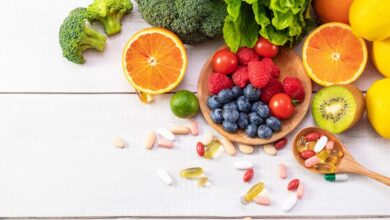
Exogenous antioxidants are commonly called dietary antioxidants. Fruits, vegetables, and grains are rich sources of dietary antioxidants. Some dietary antioxidants are also available as dietary supplements. Examples of dietary antioxidants include beta-carotene, lycopene, and vitamins A, C, and E.
Mediterranean dietary pattern correlates with reduced risk of several cancer types and cancer mortality. Mediterranean diet, such as high consumption of fruit and vegetables, whole grains, and low processed meat intake, are inversely associated with risk of tumor pathogenesis at different cancer sites. Mediterranean diet is associated with reduced risk of overall cancer mortality as well as a reduced risk of incidence of several cancer types {especially cancers of the colorectum, aerodigestive tract, breast, stomach, pancreas, prostate, liver, and head and neck}.
Lower risk with antioxidants:
• Plant-based foods are rich in nutrients known as antioxidants that boost your immune system and help protect against cancer cells.
• Diets high in fruit may lower the risk of stomach and lung cancer.
• Eating vegetables containing carotenoids, such as carrots, Brussels sprouts, and squash, may reduce the risk of lung, mouth, pharynx, and larynx cancers.
• Diets high in non-starchy vegetables, such as broccoli, spinach, and beans, may help protect against stomach and esophageal cancer.
• Eating oranges, berries, peas, bell peppers, dark leafy greens and other foods high in vitamin C may also protect against esophageal cancer.
• Foods high in lycopene, such as tomatoes, guava, and watermelon, may lower the risk of prostate cancer.
cancer prevention are:
1. Avoid tobacco
2. Eat properly , reduce consumption of saturated fat and red meat, which may increase the risk of colon cancer and a more aggressive form of prostate cancer. Increase consumption of fruits, vegetables, and whole grains.
3. Exercise regularly,Physical activity has been linked to a reduced risk of colon cancer. Exercise also appears to reduce a woman’s risk of breast and possibly reproductive cancers.
4. Stay lean, Obesity increases the risk of many forms of cancer.
5. Excess alcohol increases the risk of cancers of the mouth, larynx , esophagus , liver, and colon. it also increases a woman’s risk of breast cancer.
6. Protect from ultravioletradiation in sunlight, which increases the risk of melanomas and other skin cancers.
7. Avoid exposure to industrial and environmental toxins such as asbestos fibers, benzene, aromatic amines, and polychlorinated biphenyls (PCBs).
8. Avoid infections that contribute to cancer, including hepatitis viruses, HIV, and the human papillomavirus. Many are transmitted sexually or through contaminated needles.
10. Vitamin D may help reduce the risk of prostate cancer, colon cancer, and other malignancies