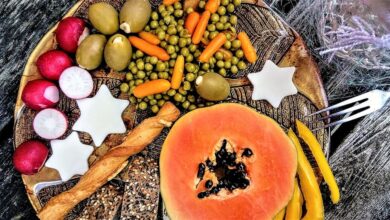
Foods to Eat and Avoid to Prevent Cancer: Insights from Doctors and Nutritionists

Cancer prevention is a complex topic that involves many factors, including genetics, lifestyle choices, and environmental exposures. However, diet plays a crucial role in reducing the risk of developing cancer. Doctors and nutritionists emphasize the importance of a balanced diet rich in certain nutrients while avoiding foods that can increase cancer risk. This article delves into the recommended foods to eat and those to avoid, backed by expert advice and scientific research.
Foods to Eat
1. Fruits and Vegetables
Cruciferous Vegetables: Broccoli, cauliflower, cabbage, and Brussels sprouts contain glucosinolates, which are compounds that have been shown to have cancer-fighting properties. These vegetables help detoxify harmful substances in the body and may inhibit the growth of cancer cells.
Berries: Strawberries, blueberries, raspberries, and blackberries are high in antioxidants such as vitamin C and ellagic acid. These antioxidants neutralize free radicals, reducing oxidative stress and inflammation, which are linked to cancer development.
Leafy Greens: Spinach, kale, and Swiss chard are rich in vitamins, minerals, and fiber. They contain carotenoids and flavonoids that may protect against cancers of the mouth, larynx, pancreas, and lungs.
2. Whole Grains
Whole grains like brown rice, oats, quinoa, and whole wheat bread are high in fiber, which aids in digestion and helps to maintain a healthy weight. Fiber-rich diets are associated with a lower risk of colorectal cancer. Additionally, whole grains provide essential nutrients such as selenium, magnesium, and phytochemicals that can protect against cancer.
3. Legumes
Beans, lentils, and chickpeas are excellent sources of protein, fiber, and phytochemicals. They have a low glycemic index and help regulate blood sugar levels, reducing the risk of obesity, a known risk factor for various cancers. Legumes also contain saponins and lignans, which have been shown to inhibit cancer cell growth.
4. Nuts and Seeds
Almonds, walnuts, flaxseeds, and chia seeds are packed with healthy fats, protein, and fiber. They also contain omega-3 fatty acids, which have anti-inflammatory properties. Studies suggest that a diet rich in nuts and seeds may lower the risk of colorectal, prostate, and breast cancer.
5. Healthy Fats
Olive Oil: Extra virgin olive oil is a staple of the Mediterranean diet, which has been linked to a lower risk of various cancers. It contains monounsaturated fats and polyphenols that have anti-inflammatory and antioxidant effects.
Fatty Fish: Salmon, mackerel, sardines, and trout are rich in omega-3 fatty acids, which help reduce inflammation and support immune function. Regular consumption of fatty fish has been associated with a reduced risk of breast, prostate, and colorectal cancers.
6. Spices and Herbs
Turmeric: Contains curcumin, a compound with potent anti-inflammatory and antioxidant properties. Curcumin has been shown to inhibit the growth of cancer cells and reduce tumor size in various studies.
Garlic: Rich in sulfur compounds that can boost the immune system’s defenses against cancer. Garlic consumption has been linked to a reduced risk of stomach, colorectal, and prostate cancers.
Foods to Avoid
1. Processed and Red Meats
Processed Meats: Bacon, sausages, hot dogs, and deli meats contain nitrates and nitrites, which can form carcinogenic compounds called nitrosamines. Regular consumption of processed meats is strongly linked to an increased risk of colorectal cancer.
Red Meats: Beef, pork, and lamb are associated with a higher risk of colorectal, prostate, and pancreatic cancers. Cooking red meat at high temperatures (grilling or frying) can produce heterocyclic amines (HCAs) and polycyclic aromatic hydrocarbons (PAHs), which are carcinogenic.
2. Sugary Drinks and Foods
High sugar intake can lead to obesity, which is a significant risk factor for many cancers, including breast, endometrial, and pancreatic cancers. Sugary drinks and foods can also cause insulin resistance and inflammation, which contribute to cancer development.
3. Refined Carbohydrates
White bread, pastries, and other refined carbs have a high glycemic index, leading to rapid spikes in blood sugar levels. Consistently high blood sugar can increase the risk of insulin resistance and obesity, both of which are linked to cancer.
4. Alcohol
Excessive alcohol consumption is a major risk factor for cancers of the mouth, throat, esophagus, liver, breast, and colon. Alcohol can damage DNA and promote the formation of cancer-causing compounds. Limiting alcohol intake to moderate levels or avoiding it altogether can significantly reduce cancer risk.
5. Trans Fats
Found in many processed foods, such as margarine, baked goods, and fried foods, trans fats can promote inflammation and oxidative stress, increasing cancer risk. It is best to avoid trans fats and opt for healthy fats instead.
Preventing cancer through diet involves making informed choices about the foods you eat. Emphasizing a diet rich in fruits, vegetables, whole grains, legumes, nuts, seeds, and healthy fats while avoiding processed meats, sugary foods, refined carbohydrates, excessive alcohol, and trans fats can significantly lower your risk of developing cancer. Always consult with healthcare professionals, such as doctors and nutritionists, to tailor dietary recommendations to your individual health needs and circumstances.