Anti-Inflammatory Diet: A Detailed Guide to Reducing Inflammation Naturally

An anti-inflammatory diet is designed to include foods that help decrease inflammation in the body while avoiding foods that may worsen it. This diet can be especially beneficial for people with chronic conditions like arthritis, heart disease, or autoimmune disorders, and it can also promote overall health and longevity. Below is a comprehensive guide covering the basics of an anti-inflammatory diet, its benefits, and how to get started.
Understanding Inflammation and Its Impact on Health
Inflammation is a natural response by the body’s immune system to injury or infection. When you get a cut, for instance, the area becomes red, warm, and swollen due to inflammation. This is part of the healing process and usually subsides once the injury is repaired.
However, chronic inflammation is different. It occurs when the body remains in a prolonged state of alert due to lifestyle factors, diet, stress, or underlying health conditions. Over time, chronic inflammation can damage healthy cells and is linked to various diseases, including:
Heart disease
Type 2 diabetes
Cancer
Alzheimer’s disease
Rheumatoid arthritis and other autoimmune diseases
An anti-inflammatory diet can help manage or reduce this chronic inflammation, improving overall health and potentially reducing the risk of these diseases.
Key Principles of the Anti-Inflammatory Diet
The anti-inflammatory diet focuses on nutrient-dense, whole foods that contain vitamins, minerals, antioxidants, and healthy fats. Here are the core principles:
Emphasize Whole Foods: Choose unprocessed, natural foods like fruits, vegetables, whole grains, nuts, seeds, and lean proteins. These foods are high in fiber, vitamins, and minerals that support immune health.
Include Healthy Fats: Omega-3 fatty acids, found in fatty fish, nuts, and seeds, are particularly important for reducing inflammation. Avoid trans fats and limit saturated fats, which can contribute to inflammation.
Eat Antioxidant-Rich Foods: Antioxidants protect cells from damage caused by free radicals, which are molecules that can worsen inflammation. Fruits, vegetables, and whole grains are rich in antioxidants.
Limit Sugary and Processed Foods: Refined sugars, processed meats, and packaged snacks often contain preservatives, unhealthy fats, and sugars that can trigger inflammation.
Use Natural Spices and Herbs: Spices like turmeric, ginger, and garlic have anti-inflammatory properties. Incorporating them into meals is an easy way to add flavor and health benefits.
Foods to Include in an Anti-Inflammatory Diet
1. Fruits and Vegetables
Fruits and vegetables are rich in antioxidants, fiber, and vitamins. Berries (blueberries, strawberries, raspberries), leafy greens (spinach, kale), and cruciferous vegetables (broccoli, Brussels sprouts) are particularly beneficial for fighting inflammation.
2. Healthy Fats
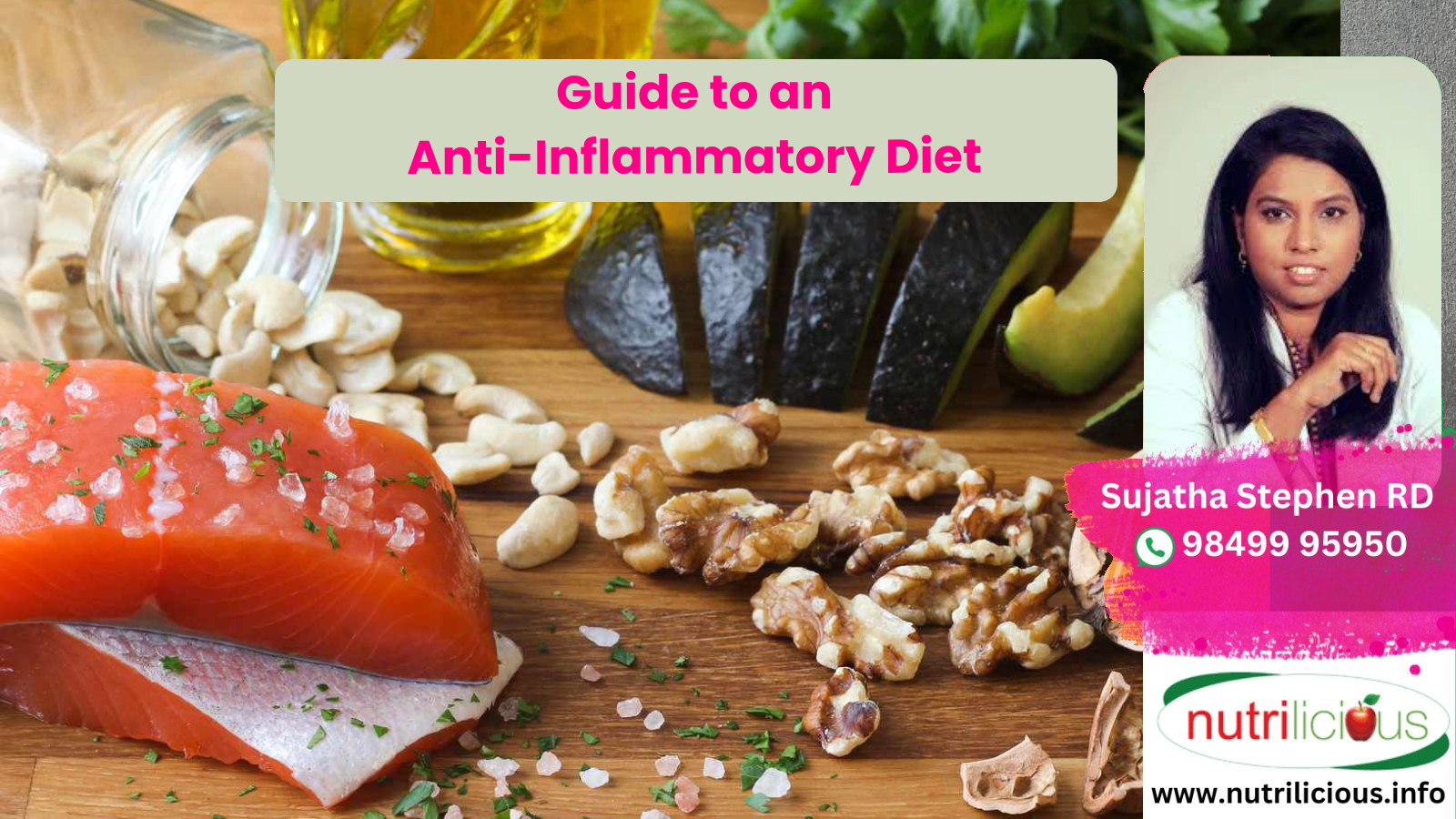
Foods high in omega-3 fatty acids, such as salmon, sardines, walnuts, flaxseeds, and chia seeds, are important for reducing inflammation. Other sources of healthy fats include olive oil, avocados, and nuts like almonds and walnuts.
3. Whole Grains
Whole grains like oats, quinoa, brown rice, and barley are high in fiber, which supports digestive health and helps regulate blood sugar levels, both of which are important for managing inflammation.
4. Lean Proteins
Lean protein sources like chicken, turkey, tofu, and legumes provide essential nutrients without the inflammation-inducing effects of saturated fats found in red meat.
5. Spices and Herbs
Turmeric, ginger, cinnamon, and garlic are known for their anti-inflammatory properties. These spices not only add flavor to dishes but also offer natural ways to combat inflammation.
6. Probiotic-Rich Foods
Foods like yogurt, kefir, kimchi, sauerkraut, and miso contain probiotics that help balance the gut microbiome. A healthy gut reduces the likelihood of inflammation-related digestive issues and can improve immune function.
Foods to Avoid for Reducing Inflammation
1. Sugary Foods and Beverages
Sugar-sweetened beverages, candy, baked goods, and desserts can spike blood sugar levels and contribute to chronic inflammation. Limit your intake of added sugars as much as possible.
2. Refined Carbohydrates
White bread, pastries, and other refined carbohydrates can increase blood sugar levels, leading to higher insulin levels and inflammation. Opt for whole grains instead.
3. Processed and Red Meats
Hot dogs, sausages, bacon, and other processed meats contain preservatives and unhealthy fats that can promote inflammation. Red meat, especially if consumed in large quantities, may also contribute to inflammatory responses.
4. Trans Fats and Fried Foods
Trans fats, found in fried and processed foods, increase the risk of inflammation and are harmful to heart health. Look out for partially hydrogenated oils on ingredient lists, as these are a key source of trans fats.
5. Excessive Alcohol
While moderate alcohol consumption (particularly red wine) may offer some benefits, excessive alcohol intake is known to cause inflammation and harm the liver.
Sample Anti-Inflammatory Meal Plan
Here’s a sample meal plan to illustrate how you can incorporate anti-inflammatory foods into your day:
Breakfast: Greek yogurt with blueberries, walnuts, and a sprinkle of chia seeds.
Lunch: Mixed greens salad with grilled salmon, avocado, cherry tomatoes, and a drizzle of olive oil and lemon dressing.
Snack: Sliced apple with a handful of almonds.
Dinner: Stir-fried tofu with turmeric and ginger, served with brown rice and steamed broccoli.
Dessert: A small piece of dark chocolate (70% cocoa or higher) with a handful of raspberries.
Additional Tips for Adopting an Anti-Inflammatory Diet
Cook at Home: Preparing meals at home allows you to control ingredients, ensuring you avoid hidden sugars, unhealthy fats, and additives often found in restaurant or packaged foods.
Stay Hydrated: Drinking water is essential for overall health and helps flush out toxins that can contribute to inflammation.
Practice Moderation: While it’s important to limit inflammatory foods, it’s also okay to enjoy your favorite foods occasionally. Balance and moderation are key to sustaining the diet long-term.
Listen to Your Body: Everyone’s body reacts differently to foods. Pay attention to how certain foods affect you and adjust your diet accordingly.
The Long-Term Benefits of an Anti-Inflammatory Diet
By consistently following an anti-inflammatory diet, you can reduce your risk of chronic diseases, manage symptoms of existing conditions, and improve your quality of life. This diet can also:
Enhance energy levels
Support weight management
Improve mental clarity
Boost immune function
Promote healthy skin
Conclusion
An anti-inflammatory diet is a powerful way to support your health and longevity by reducing inflammation naturally. Focusing on whole foods, healthy fats, and antioxidant-rich ingredients can bring significant health benefits over time. By making mindful dietary choices, you can help your body combat inflammation and thrive.