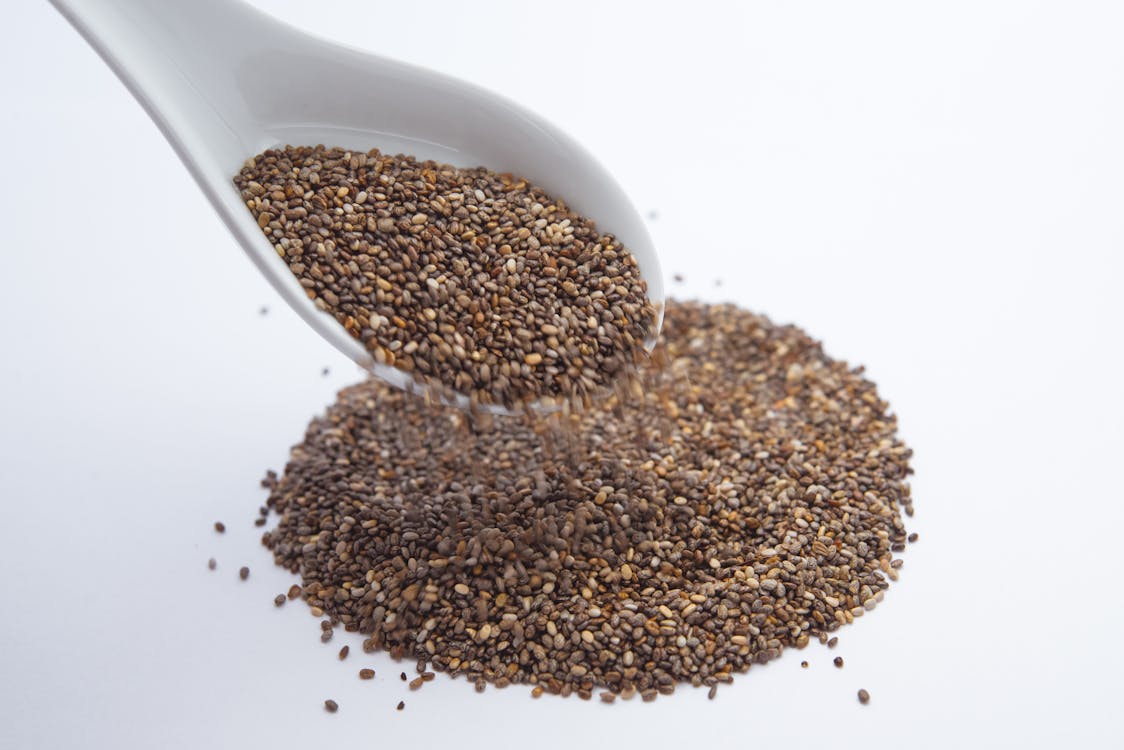
5 Seeds with Major Nutritional Benefits for Health

Seeds are small, but they are packed with nutrients essential for good health. They provide a rich source of essential vitamins, minerals, healthy fats, and antioxidants. Including seeds in your daily diet can help boost energy levels, improve overall well-being, and even prevent certain chronic diseases. Here are five seeds that stand out for their impressive nutritional profiles and health benefits:
1. Chia Seeds
Nutritional Profile
Chia seeds are an excellent source of omega-3 fatty acids, which are vital for brain function and heart health. They also provide substantial fiber, protein, calcium, magnesium, and antioxidants. A 28-gram serving of chia seeds contains about 138 calories, 12 grams of carbohydrates, 10 grams of fiber, 9 grams of fat, and 5 grams of protein.
Health Benefits
- Heart Health: Chia seeds are high in alpha-linolenic acid (ALA), a type of omega-3 fatty acid that helps lower bad cholesterol levels, reduce inflammation, and improve cardiovascular function.
- Digestive Health: Their high fiber content supports healthy digestion by promoting regular bowel movements and preventing constipation. The fiber also feeds the beneficial bacteria in the gut, which can enhance overall gut health.
- Weight Management: Chia seeds absorb up to 12 times their weight in water, expanding in the stomach and helping you feel full for longer periods, which can assist in weight control.
- Bone Health: With significant amounts of calcium, magnesium, and phosphorus, chia seeds contribute to strong bones and teeth, making them a valuable addition to a diet, especially for people who don’t consume dairy.
How to Consume
Chia seeds can be added to smoothies, yogurt, cereals, or even used as a thickening agent in soups and sauces. They can also be soaked in water to create a chia pudding, a popular snack or breakfast option.
2. Flaxseeds
Nutritional Profile
Flaxseeds are known for being one of the richest plant-based sources of omega-3 fatty acids, specifically ALA. They are also high in dietary fiber, lignans (powerful antioxidants), and protein. A tablespoon of ground flaxseeds contains 37 calories, 2 grams of fiber, and 1.3 grams of protein.
Health Benefits
- Anti-Inflammatory Properties: Flaxseeds contain omega-3s and lignans that help reduce inflammation in the body, making them useful for individuals with inflammatory conditions like arthritis.
- Heart Health: Studies have shown that regular consumption of flaxseeds can help lower blood pressure and improve cholesterol levels. The omega-3 fatty acids also help maintain a regular heart rhythm, reducing the risk of heart disease.
- Digestive Health: With high fiber content, flaxseeds improve digestive function, reduce constipation, and help maintain bowel regularity. They can also help regulate blood sugar levels, making them beneficial for people with type 2 diabetes.
- Cancer Prevention: The lignans in flaxseeds act as antioxidants, potentially lowering the risk of hormone-related cancers, such as breast cancer and prostate cancer.
How to Consume
For optimal absorption of nutrients, it’s best to consume flaxseeds in their ground form. You can sprinkle ground flaxseeds over salads, mix them into smoothies, or bake them into muffins and breads.
3. Pumpkin Seeds
Nutritional Profile
Pumpkin seeds, also known as pepitas, are rich in magnesium, iron, zinc, protein, and healthy fats. They also contain antioxidants, like vitamin E, which help protect cells from damage. A 28-gram serving of pumpkin seeds provides around 151 calories, 7 grams of protein, and 5 grams of fiber.
Health Benefits
- Prostate Health: Studies suggest that pumpkin seeds may support prostate health and reduce symptoms associated with benign prostatic hyperplasia (BPH), a condition that causes difficulty urinating in men.
- Heart Health: The magnesium content in pumpkin seeds helps regulate blood pressure, while their high levels of antioxidants reduce the risk of heart disease by preventing oxidative stress.
- Sleep Support: Pumpkin seeds are a good source of tryptophan, an amino acid that promotes the production of serotonin, which is then converted into melatonin, a hormone that regulates sleep cycles. Consuming a handful of pumpkin seeds before bed may help improve sleep quality.
- Bone Health: The magnesium in pumpkin seeds is essential for healthy bones, while the zinc they contain supports immune function and wound healing.
How to Consume
Pumpkin seeds make a delicious snack when roasted with a pinch of salt. They can also be added to salads, granola, or mixed into smoothies for added crunch and nutrition.
4. Sunflower Seeds
Nutritional Profile
Sunflower seeds are a rich source of vitamin E, a potent antioxidant that protects the body’s cells from oxidative stress. They also provide selenium, magnesium, and healthy fats. A 28-gram serving of sunflower seeds contains about 164 calories, 6 grams of protein, 4 grams of fiber, and 14 grams of fat (most of which are heart-healthy fats).
Health Benefits
- Antioxidant Protection: The high levels of vitamin E in sunflower seeds help neutralize free radicals, protecting cells from damage and reducing inflammation. This antioxidant effect is particularly important for skin health, as it helps prevent premature aging.
- Cardiovascular Health: Sunflower seeds contain phytosterols, compounds that help lower cholesterol levels in the body. The combination of magnesium and healthy fats also contributes to lower blood pressure and improved heart health.
- Bone and Muscle Health: Magnesium is crucial for maintaining healthy bones and supporting muscle function. Sunflower seeds are an easy way to boost magnesium intake, which is important for preventing muscle cramps and supporting recovery after exercise.
How to Consume
Sunflower seeds can be eaten as a snack on their own, or they can be sprinkled over salads, cereals, or yogurt. They also work well in homemade trail mixes or baked goods.
5. Sesame Seeds
Nutritional Profile
Sesame seeds are small but mighty when it comes to their nutrient content. They are particularly high in calcium, magnesium, iron, zinc, and healthy fats. A tablespoon of sesame seeds contains around 52 calories, 1.6 grams of protein, and 4 grams of fat.
Health Benefits
- Bone Health: Sesame seeds are one of the best plant-based sources of calcium, making them excellent for maintaining strong bones and teeth, especially for individuals who do not consume dairy. The combination of magnesium, zinc, and phosphorus also contributes to bone health.
- Heart Health: The healthy fats and lignans in sesame seeds help improve cholesterol levels, particularly by increasing the levels of HDL (good) cholesterol. The high antioxidant content also reduces oxidative stress, promoting heart health.
- Blood Pressure Regulation: Sesame seeds are high in magnesium, a mineral that helps lower blood pressure by relaxing blood vessels.
- Anti-Inflammatory Effects: Sesame seeds contain sesamin and sesamol, two compounds that possess potent anti-inflammatory and antioxidant properties. These compounds may help reduce inflammation and protect against chronic diseases like cancer and heart disease.
How to Consume
Sesame seeds are versatile and can be used in both sweet and savory dishes. Sprinkle them over stir-fries, salads, and rice dishes, or blend them into tahini, a popular ingredient in Middle Eastern cuisine. You can also use them as a topping for breads or in desserts like sesame brittle.
Conclusion
Incorporating a variety of seeds into your daily diet is a simple and effective way to boost your intake of essential nutrients. Whether you’re adding chia seeds to your morning smoothie, sprinkling pumpkin seeds on your salad, or snacking on sunflower seeds, these nutrient-dense seeds can make a big difference in supporting your overall health.